Connecting design decisions to business outcomes
2022 | Case study / by Carmelo Bisignano, Interaction Design Associate Manager

Project information
- Industry
- Consulting
- Duration
- 12 months, fixed scope
- Team
- 1 experience design associate director, 1 UX strategist, 1 business strategist
- My role
- Business design thinking, Workshops, DesignOps
- Users
- Interaction designers, Business analysts
- Tools
- Figma, Jira
Introduction
Accenture Song is Accenture's creative and technology division. Its Italian interaction design teams made strong work, but they rarely talked about it in business terms.
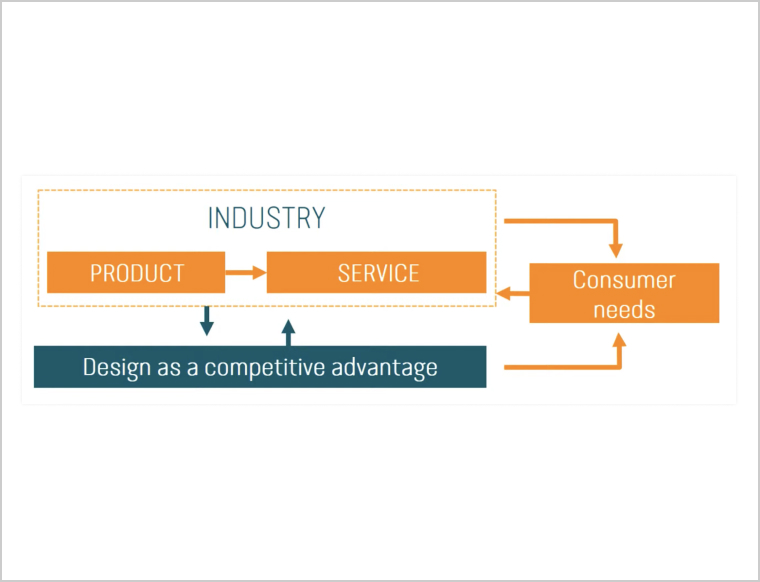
I spent a year helping those teams link design decisions to numbers a client cares about: retention, lifetime value, cost to serve.
Challenge and approach
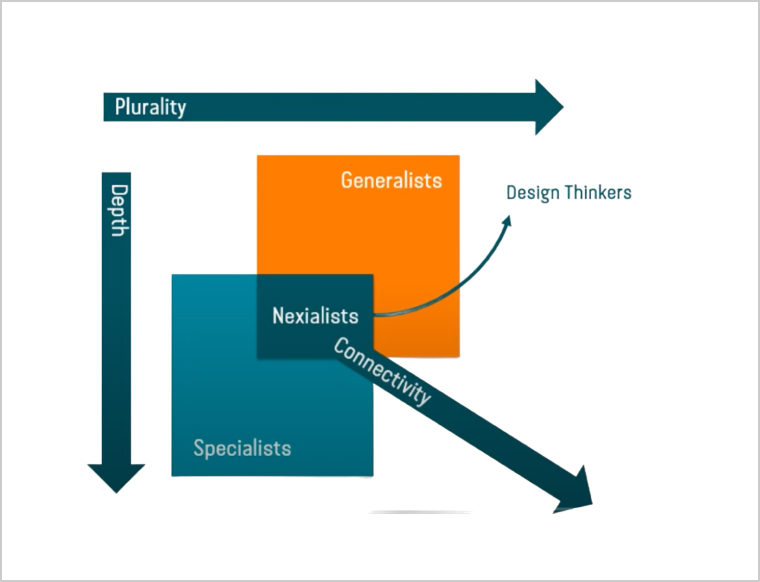
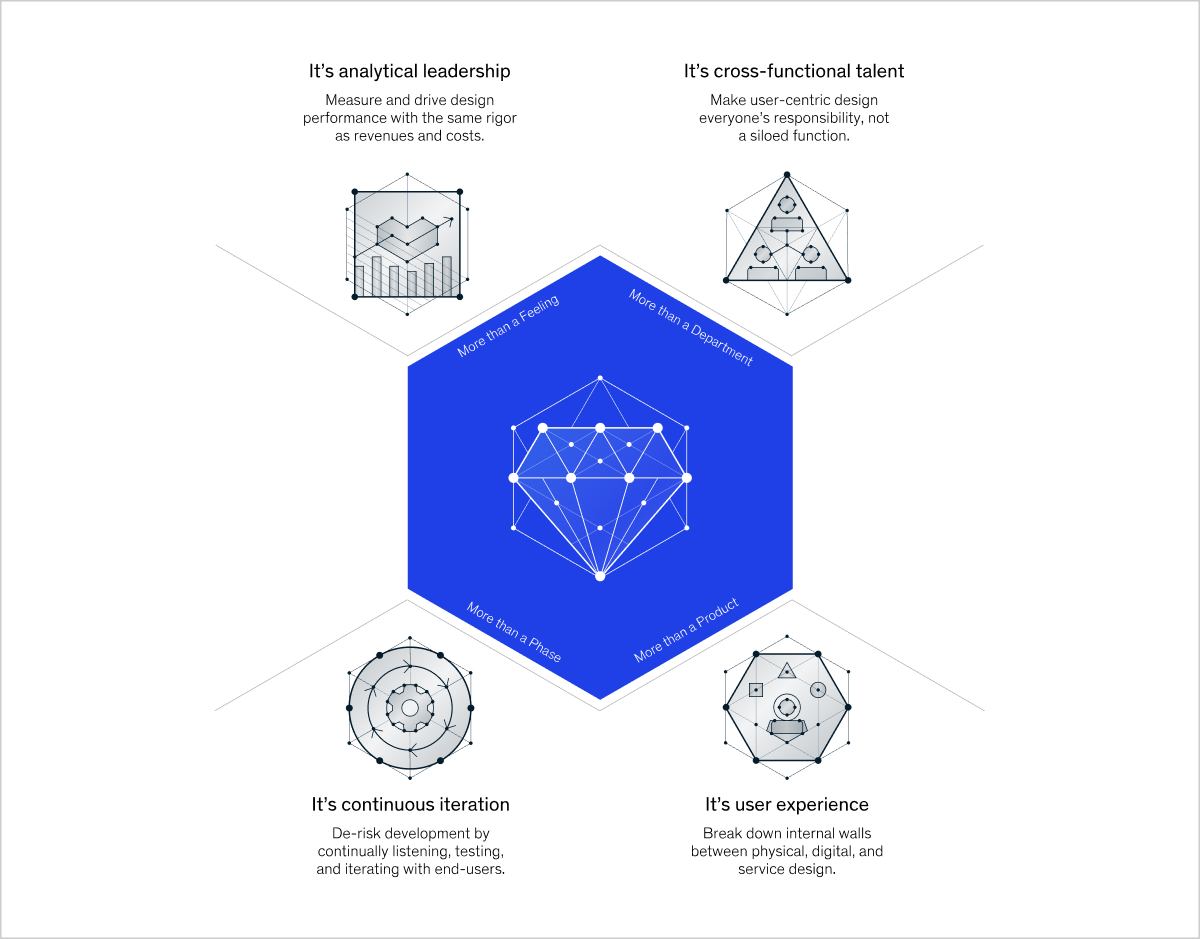
The brief was to make the teams more business-aware without turning designers into analysts. I started from two sources the teams already respected, McKinsey's research on the business value of design and IBM's user-centred methods, and built a framework around three habits.
1. Think in systems
Look at an interaction as part of the client's whole business, not as a screen on its own.
2. Read the numbers
Training on ROI, customer lifetime value and margin, so designers could follow, and join, the commercial conversation.
3. Work across roles
Design sprints with designers, strategists, developers and marketers in the same room, so each side understood what the others needed.
Putting it into practice
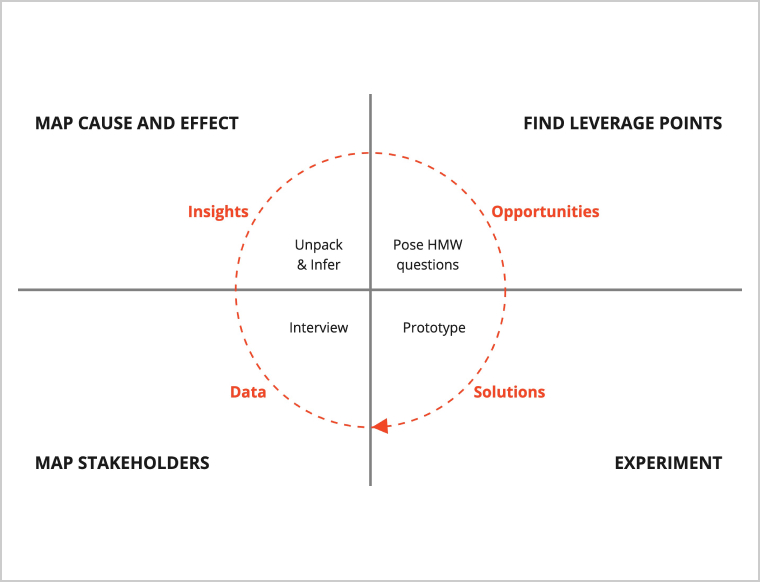
I interviewed stakeholders and then worked McKinsey's ten design practices into the teams' existing workflow, one step at a time. Workshops and short bootcamps tested the ideas on live client problems instead of exercises. Where a project had analytics, we used them to adjust the solution as it went.
What changed
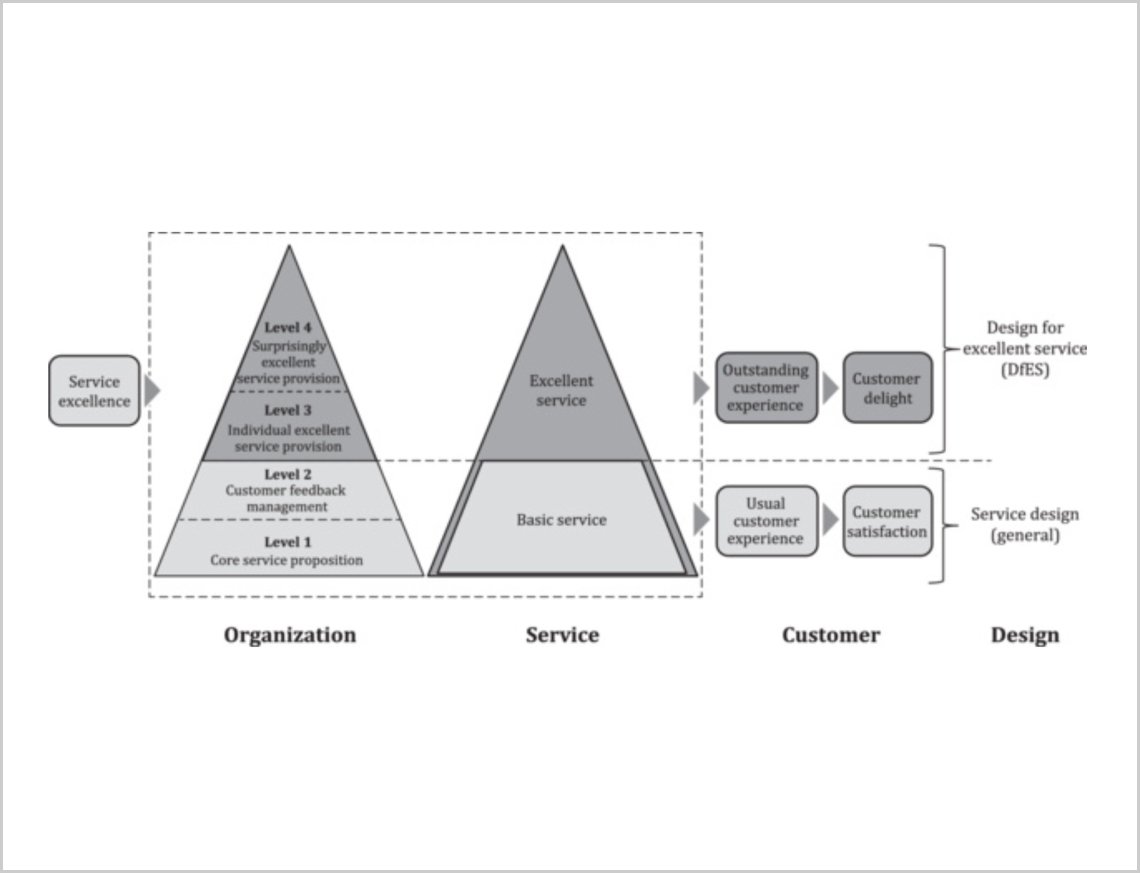
- Design in the business conversation. Designers started contributing to client goals such as retention, not only to the interface.
- Better collaboration. A shared design operation meant creative and business teams spoke more often and handed work over with fewer surprises.
- Room to scale. The same process worked across different projects, and the output still looked like one studio.
The framework gave designers a repeatable way to show what their work does for the business. That was the point from the start.